
Connection and the Bitcoin Ecosystem
This is the third of three articles in a series on my thoughts on the Three Cs of Bitcoin. In the first two articles, I looked at Culture and Creativity in the Bitcoin ecosystem. In the third article, I explore the last C, Connection.
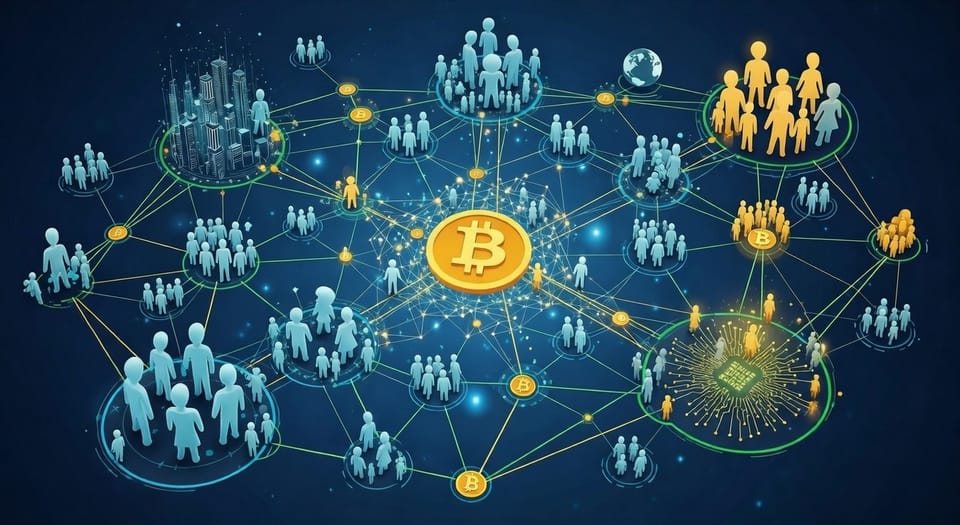
The desire to connect with others is a basic human need. Beyond connecting generically, we often seek to connect with others of like mind, which helps explain the number of associations and hobby groups in existence, or church gatherings for that matter. Getting together with people in your same industry or with those who share your interests or faith serves varied purposes, such as networking, resource sharing, emotional support, and what psychologists call social identity.
These are places, online or off, where connections are formed around these identities, shared goals, or passions. Other terms that come to mind: community, fellowship, or affiliation. Like on the TV show Cheers, where everyone knows your name, we like going to places where people say, “It's good to see you.” And perhaps because it's still so early for Bitcoin, we want to be around others who can confirm we are not crazy!
As I mentioned in the first essay on culture, my deep dive into Bitcoin was inspired by experiences attending in-person meetups back when I didn't know anyone. Now, four years later, I still attend in-person meetups several times per month, because bitcoiners have become my friends, and my tribe. When I go to a meetup, I see familiar faces and feel a sense of belonging. I also meet new people, who just like I was, may be starting their own journey and looking for others who can help guide the way.
In a recent post, Matteo Pellegrini (founder of Bitcoin social app Club Orange) discussed the importance of having Bitcoin friends. Joining a movement that much of the world does not yet understand, or even know about, can be lonely or discouraging. Pellegrini says, “You need a person across the table who gets it.” You may opt for a casual Bitcoin gathering of a few friendly people, or you may attend a live conference of thousands. It's nice knowing that you are not alone.
Meeting someone in real life can sometimes provide a higher level of trust than meeting on a virtual platform, where an avatar or handle could be anyone (or these days with AI, no one). The need for real-life verification was one reason why in the early days of Bitcoin, meeting in person was a way to acquire BTC if you were not mining it yourself. Peer-to-peer platforms connected buyers with sellers, but the actual transaction took place on a street corner or at a cafe. The paper wallet could then be physically handed from one person to another, maintaining one's anonymity and lack of paper trail. Revealing anything more about yourself was entirely optional.
Likewise at meetups today, even if someone introduces themselves with a “nym” (short for pseudonym), I have now established without a doubt that this person does exist. From that first meeting, our interactions create further trust, such that I come to believe they mean what they say and that they have a commitment to Bitcoin and to the group. Perhaps in the future, I may give them a ride or we will collaborate on a project. Of course, trust can develop in virtual interactions too, but there is something different about meeting in-person. I know of many bitcoiners who don't want to buy or sell BTC on exchanges and so they continue to connect for this purpose via live meetups.
Online communities, while they may lack many positive aspects of meeting face-to-face, do allow bitcoiners to connect from all across the globe and may be the only option if face-to-face gatherings are not available or convenient. Follow Bitcoin influencers on any major platform, and you will see vibrant discussion (and of course debate). Alternatively, you can join live public meetings via daily X Spaces on a variety of topics within Bitcoin. Raise your hand, and suddenly you are a part of the conversation too. For those who are concerned about trusting big social media companies with their conversations and data, you can now talk with others about Bitcoin in a decentralized platform via the NOSTR protocol.
In many ways, Bitcoin spaces, chats, meetings, and conferences taken as a whole are very much like a professional association. There are no dues, no official newsletter, no central organizing committee, and no membership card to say that I am a “bitcoiner”, and yet by joining this loose collaboration I now have the ability to instantly connect with others who share this interest.
This does raise a question, though (which came to me from a past blog or conversation that I unfortunately cannot attribute): why do we need support groups for Bitcoin when this doesn't happen for other kinds of money? If Bitcoin does what we think it will do, will there be a day in the future where there are no more Bitcoin meetups? Right now, people who care about Bitcoin are in the minority, so we do tend to want to stick together. But will we always?
I personally do not see Bitcoin meetups going away, but I do think we will see them continue to diversify. The broadening and diversification of interest-areas within Bitcoin, and thus the ability to differentiate your connections further, is already apparent in the numerous and varied subtribes. When I attended my first Bitcoin conference in 2022, there were already groups within groups. For example, among several stages of talks, there was the “open-source” stage (for the developer types) the “mining” stage (for those working on the engine that drives the network) and the “enterprise” stage, where I spent most of my time due to my interest in businesses built around Bitcoin.
Just like at the meetups today, future groups that focus on specialty areas within Bitcoin will provide that same intangible feeling of belonging when one is surrounded by others who share one's interests. And at least for now, as long as Bitcoin itself is embrace by only a fraction of society, both newcomers and people who have been in the space for years will be able to find a Bitcoin meetup, conference, X space, or an online group to help them reduce any feelings of isolation.
Connecting with other bitcoiners is a lifeline for people all around the world. All it takes is hoping online or showing up to a meetup: to say hello, to ask for advice, or to share your opinion on the latest Bitcoin news. It's the connections that provide us that sense of community when we are still so early in Bitcoin's multi-generational trajectory.
In my take on the 3Cs and the Bitcoin ecosystem, I discussed ways that Culture, Creativity, and Connection have helped maintain all that has been built into the network so far. Those same three elements will drive learning, initiatives, and development forward into Bitcoin's future. Let me know what you think. I would love to hear your take!
Member discussion