The Maintainers
The Quiet Gatekeepers of Bitcoin's Integrity
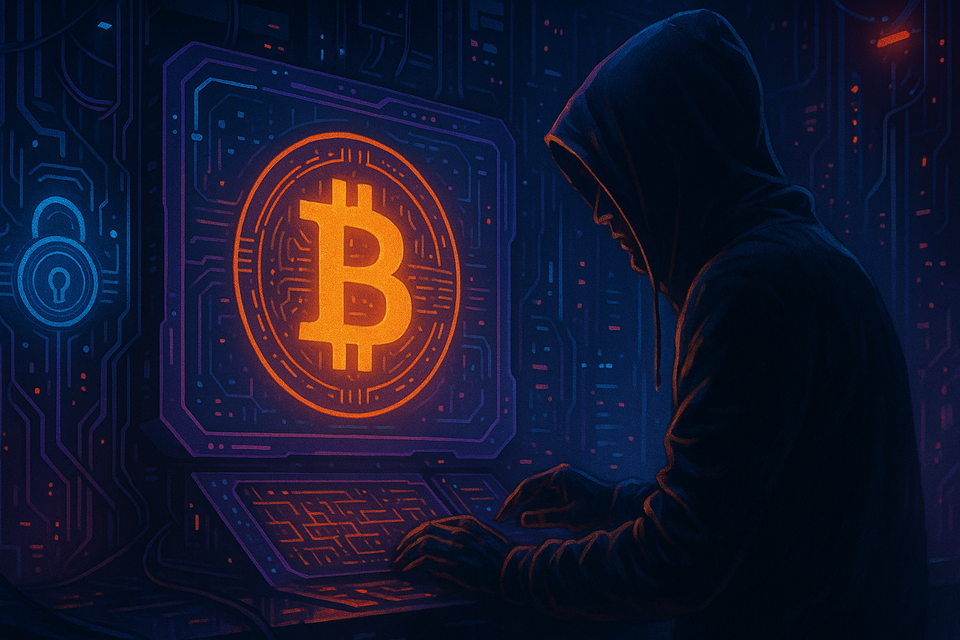
If the educators opened Bitcoin to the world by turning confusion into understanding, the maintainers ensured that the system being understood remained worthy of people’s trust. Their work exists beneath the surface of everything else. Beneath market cycles and ideological debates, beneath adoption trends and public narratives, there is a small group of people who keep the protocol stable. They achieve this not by inventing or persuading, but by staying vigilant and attentive.These are the individuals who maintain and review Bitcoin Core, quietly safeguarding the most closely examined financial code in the world.
Their work is defined by absence as much as presence. A bug prevented before release becomes an event that never occurs. A risky idea discouraged early becomes a crisis that never materializes. A subtle vulnerability identified at the last moment becomes a story no one will hear. Bitcoin's moments of stability often trace back to interventions that remain invisible. The maintainers are rarely celebrated for these moments, yet nothing in the ecosystem could function without them.
Authority is not something they sought. It formed around them in the way responsibility naturally accumulates around people who consistently show care. When Satoshi stepped away, Gavin Andresen accepted stewardship not as recognition, but as an obligation. When Gavin later stepped back, Wladimir van der Laan assumed the role with the same reluctance. He described himself as a curator, not a leader, a caretaker of something that did not belong to him. That framing became a cultural precedent. Bitcoin would not have commanders. It would have custodians.
Yet custodianship is not passive. It requires an unusual kind of emotional steadiness. Maintainers review code that may one day protect the life savings of people they will never meet. They examine assumptions, explore edge cases, consider adversaries, and think constantly about failure. The responsibility is significant. The recognition is minimal. The work is endless. What endures is the standard they maintain.
Every maintainer knows the quiet moments when this work becomes most visible to them, even if no one else will ever notice. It is late. The contributor who submitted the change has long since logged off. The world is asleep. And a maintainer is reading through a proposal that appears simple, yet contains risks its author did not see. They scroll, pause, think, and scroll again. They imagine the rare failures. They imagine adversarial scenarios. They think about the consequences of approving something that is not ready.
And with the same quiet composure that defines their duty, they leave a comment that offers a question or a gentle caution. Nothing is bold or boastful. It is simply a thoughtfully placed boundary where it matters. This is how Bitcoin is safeguarded: through deliberate and careful decisions made slowly in private spaces that no one else ever sees.
During Bitcoin’s most turbulent periods, such as the block size conflict and later governance disputes, the maintainers stood at the center of the storm without being drawn into it. They were not arbiters of ideology. They were guardians of correctness. While the world argued about Bitcoin’s future, they ensured that the present remained intact. Their steadiness acted as a counterweight to the noise, reminding the ecosystem that a protocol survives through careful engineering, not through winning debates.
Their meekness is often misunderstood. It is not timidness. It is restraint. Maintainers hold power, yet they avoid using it in ways that would distort Bitcoin's neutrality. They move slowly because caution protects the network. They avoid theatrics because attention can distort incentives. They act with humility because the protocol is larger than any individual. In an environment that rewards speed, they choose deliberation. In a culture that prizes visibility, they choose quiet.
As Bitcoin enters an era marked by institutional interest and geopolitical attention, their role becomes even more critical. The stakes are now global. The consequences of failure reach far beyond the cypher-punk community that nurtured Bitcoin in its early years. Yet the maintainers approach this moment with the same steady rhythm they always have, reviewing proposals, refining logic, and safeguarding the protocol’s long-term reliability.
Satoshi laid the foundation, Hal Finney brought human touch, Adam Back ensured continuity, Pieter Wuille improved the design, educators made Bitcoin accessible, and the maintainers uphold its integrity. They protect the foundation that everything else relies upon. They ensure that Bitcoin remains trustworthy as more of the world leans upon it.
They do all of this quietly, through work that is most successful when it remains unseen. They are the hidden custodians of Bitcoin’s safety, the quiet guardians whose contributions are felt everywhere, even if their names appear almost nowhere.
In the next installment of The Meek Bitcoiners, we turn to the largest and most quietly influential group of all: the ordinary holders. Through daily discipline and calm conviction, they give Bitcoin its backbone and its resilience.
At The Bitcoin Pivot, we remain committed to illuminating the full range of stories that shape this hard technology, including the quieter currents of calm conviction and understated courage that continue to influence the world’s loudest financial transformation.